Introduction
The Courier and Logistics Industry has drastically changed in our digital age, particularly as a result of the growth of eCommerce, online marketplaces, same-day delivery services and global trade. Consumers today demand speedy delivery, secure handling, and most importantly to know exactly where their package is at all times through real-time tracking of their courier orders.

In the past, there was no real visibility into when couriers would deliver packages; you simply had to wait and hope! Nowadays, many courier companies provide advanced tools for tracking packages, allowing customers to see exactly where their packages are, from the moment they’re picked up until they’re delivered. This increased transparency fosters greater customer trust and satisfaction and reduces the number of missed deliveries.
This comprehensive guide covers everything about courier order tracking, including:
- What courier order tracking means
- How tracking systems work

- Tracking ID formats
- Tracking statuses and their meanings
- Real-time tracking technologies
- Reasons for tracking delays
- Solutions for delayed tracking
- Benefits of tracking for businesses and customers
- International tracking
- COD tracking
- Top courier tracking platforms
- Common tracking issues
- Tips to ensure smooth parcel tracking
- FAQs
Let’s explore the world of accurate, reliable, and efficient courier order tracking.
What Is Courier Order Tracking?
The process of observing the progress and transit of a package. Order tracking gives you constant information about your package, including what part of transit it is at, where it is and when it should arrive at your final destination.

Each shipment is assigned a tracking number (AWB number, Air Way Bill number), including but not limited to:
- AWB Number (Air Way Bill Number)
- Consignment Number
- Shipment ID
- Reference Number
- Order Tracking ID
To find out your package’s current status, customers can use the tracking number via the following:
- Courier Websites
- Mobile Applications
- SMS Tracking
- Email Notifications
- Third Party Tracking Websites
- Tracking via API
Why Courier Order Tracking Is Important
Order tracking via courier services is critical for both businesses and consumers alike.
For Consumers:
Gives Consumers a Sense of Security – Reduces Anxiety on Delivery – Creates a Plan for Their Availability When Deliveries Occur – Identifies Potential Delays Ahead of Time – Eliminates the Need to Return/Attempt Again After Delivery Problems.
For Businesses:
Minimizes Customer Complaints – Strengthens Brand Loyalty – Creates Transparency with Customers – Increases Ability to Handle Logistics Efficiently – Increases Successful Delivery Rates.
With the Growth of Online Shopping Each Year, Courier Order Tracking Has Become a Service That Consumers Have Come to Expect in Today’s Society.
How Courier Order Tracking Works
Courier order tracking functions through a combination of:
- Barcodes
- Scanning devices
- GPS technology
- Courier management software
- APIs
- IoT (Internet of Things) devices
Here’s how the process works step-by-step:
Step 1: Order Creation
The seller books a shipment with a courier service.
A unique Tracking ID / AWB number is generated.
This ID is assigned to the parcel’s barcode.
Step 2: Pickup Scan
When the delivery executive collects the parcel, the first scan occurs:
- “Shipment Picked Up”
- “Order Collected”
- “Pickup Completed”
This confirms that the courier company has received the parcel.
Step 3: Origin Hub Scan
The parcel reaches the local warehouse or sorting center.
Typical statuses:
- “Received at Origin Hub”
- “Shipment Scanned at Facility”
- “Processing at Warehouse”
From here, parcels are sorted based on the destination city or region.
Step 4: In-Transit Scans
As the parcel moves between hubs, new updates appear:
- “In Transit”
- “Arrived at Facility”
- “Departed to Next Facility”
- “Reached Destination City”
Each time the parcel is scanned at a new location, the courier order tracking page updates automatically.
Step 5: Out for Delivery
Once the parcel reaches the nearest delivery hub, it is loaded onto a delivery vehicle.
Status shows:
- “Out for Delivery”
- “Courier is on the way”
This means the customer can expect delivery the same day.
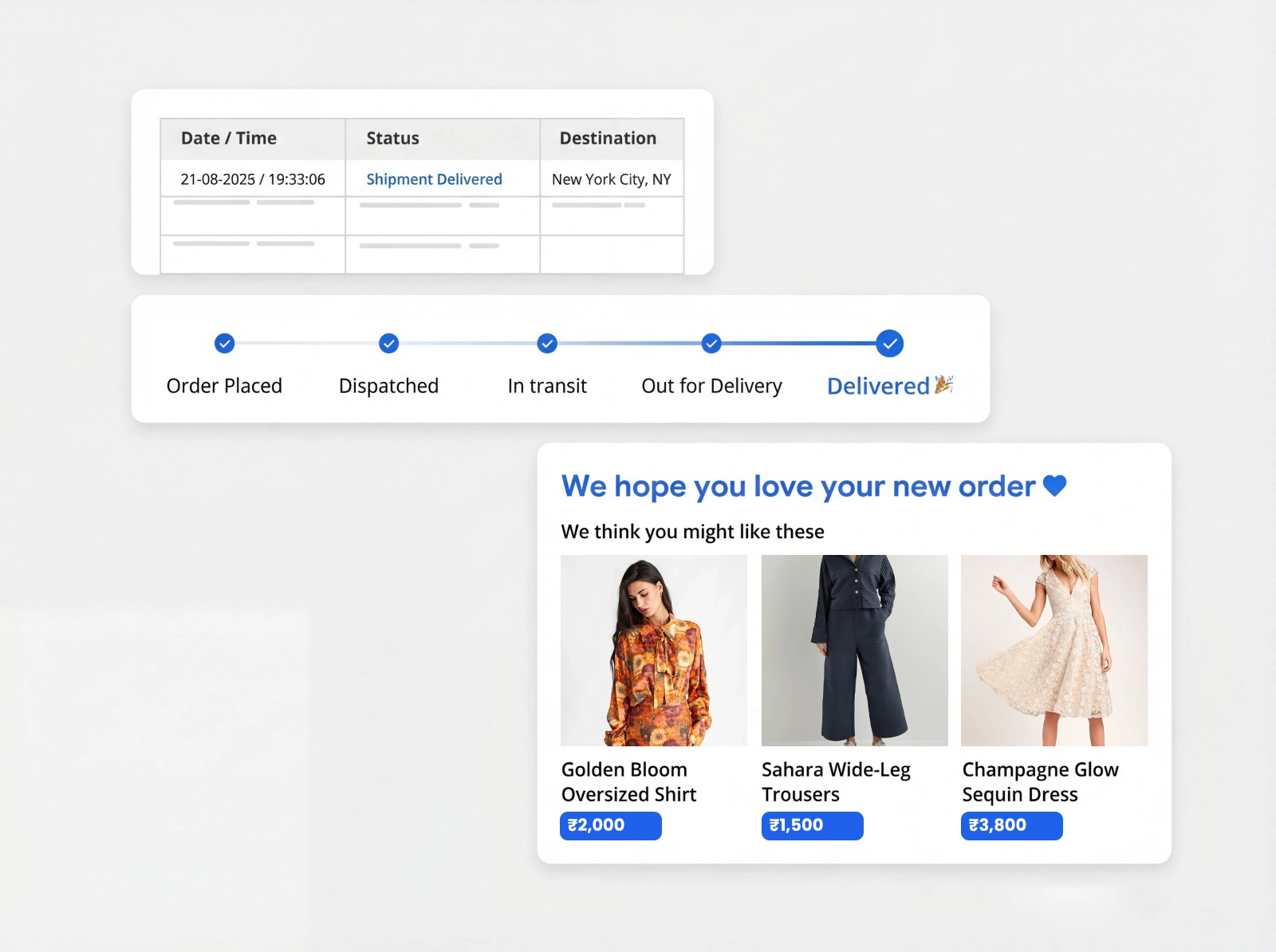
Step 6: Final Delivery
Once delivered, the status becomes:
- “Delivered”
- “Shipment Delivered Successfully”
In case of COD orders, payment is also recorded.
Technologies Used in Courier Order Tracking
Courier tracking employs a variety of contemporary technologies, including:
- Barcode and Package tracking by bar code. The bar code assigned to an item shows all the different locations where it is situated and how much it weighs.
- GPS will pinpoint exactly where the Courier Vehicle (CV) is located, enabling an accurate estimate for delivery.
- RFID tags will be used to track packages of higher value because they enable greater tracking abilities.
- IoT sensors will monitor Environmental Conditions that affect the quality of sensitive items such as pharmaceuticals, cold storage products, and electronic devices.
- Using Historical Data about delivery schedules, Traffic, Distance and Location are used as input for creation of Predictive Technology to enable a more accurate estimate for delivery.
- Via trackable API integration, businesses wishing to integrate tracking functionality can do so with their own application or website.
Courier Order Tracking ID Formats (Examples)
Each courier company uses different types of tracking numbers. Examples:
- DTDC: D12345678 / Z12345678
- Blue Dart: 11-digit numeric
- Delhivery: 12–14 digits
- XpressBees: XBS123456789
- Ecom Express: EX123456789
- India Post: EM123456789IN (EMS)
Tracking formats vary based on courier service, region, and shipment type.
Courier Order Tracking Status and Their Meanings
Here is a complete list of common statuses shown during courier order tracking:
Pickup-Related Status
| Status | Meaning |
| Shipment Booked | Order created by sender |
| Pickup Scheduled | Courier will pick soon |
| Shipment Picked Up | Parcel collected |
| Awaiting Pickup | Courier not collected yet |
Transit Status
| Status | Meaning |
| In Transit | Parcel moving between hubs |
| Arrived at Origin Hub | Reached starting warehouse |
| Departed from Hub | Left sorting center |
| Reached Destination Hub | Arrived in receiver city |
| Processing at Facility | Sorting in progress |
Delivery Status
| Status | Meaning |
| Out for Delivery | Courier coming today |
| Delivery Attempted | Courier tried but failed |
| Delivered | Parcel delivered |
Exception Status
| Status | Meaning |
| Address Incorrect | Need correction |
| Recipient Not Available | Customer missed delivery |
| Shipment On Hold | Internal delay |
| Damaged Shipment | Parcel damaged |
| Lost in Transit | Parcel cannot be found |
Understanding these statuses helps customers make informed decisions.
Why Courier Order Tracking Sometimes Shows No Update
At times, tracking may display a delay or be in a state of stasis. The below are a few common reasons for tracking issues:
Package has not yet been scanned
This occurs during the initial stages as the package is yet to have been scanned.
Courier’s Network Delay
Overloaded deliveries, high demands for holiday deliveries and IT support.
Inclement Weather
Transit during rain/fog/snow/ice slows transit.
Transport Problems
Vehicle breakdown, route change, road blockage.
System Server Issue
Courier service websites can go down at any time.
Customs Delay
Customs clearance takes an extended amount of time for international shipments.
Off Remote Location Delivery
Delivery to rural areas is made with much lower frequency than for urban areas.
Solutions for Courier Tracking Issues
24 Hour Wait Time on Bookings
Many couriers will post their initial scans to their website.
Contact Customer Service
You can get additional information about your shipment with your AWB number.
Make Sure the Tracking ID is Correct
Check that the numerical digits are accurate.
Confirm with the Seller
It is not uncommon for sellers to take longer to ship out your purchase.
Track Using Multiple Courier Sites
You will receive more specific tracking information using multiple sites.
Benefits of Courier Order Tracking for eCommerce Businesses
Tracking your courier order is a vital aspect of any online retailer’s business.
Customer Experience Is Improved
Customers know exactly where their package is located at all times.
Decreased RTO (Return To Origin)
Having a reliable estimated time of arrival (ETA) leads to fewer failed deliveries.
Increased Transparency
Real-time package tracking creates more confidence in a business’s credibility.
Quicker Resolution of Problems
Real-time package tracking can help determine exactly where a package may have been delayed.
Increased Revenue
Reliable package tracking means greater trust and confidence in a business.
International Courier Order Tracking
International shipments undergo:
- Export customs
- Airport clearance
- Airline transit
- Import customs
- Local courier delivery
Tracking statuses include:
- “Customs Clearance Complete”
- “Export Scan”
- “International Transit”
- “Arrived in Destination Country”
- “Pending Customs Inspection”
Global tracking may take longer depending on:
- Distance
- Customs workload
- Country restrictions
COD Parcel Tracking (Cash on Delivery)
COD parcels require extra tracking updates:
- COD amount
- Delivery attempt
- Payment collected
- COD remittance status
Many couriers provide:
- COD dashboards
- Reconciliation reports
- COD remittance cycle updates
Businesses use these for financial accuracy.
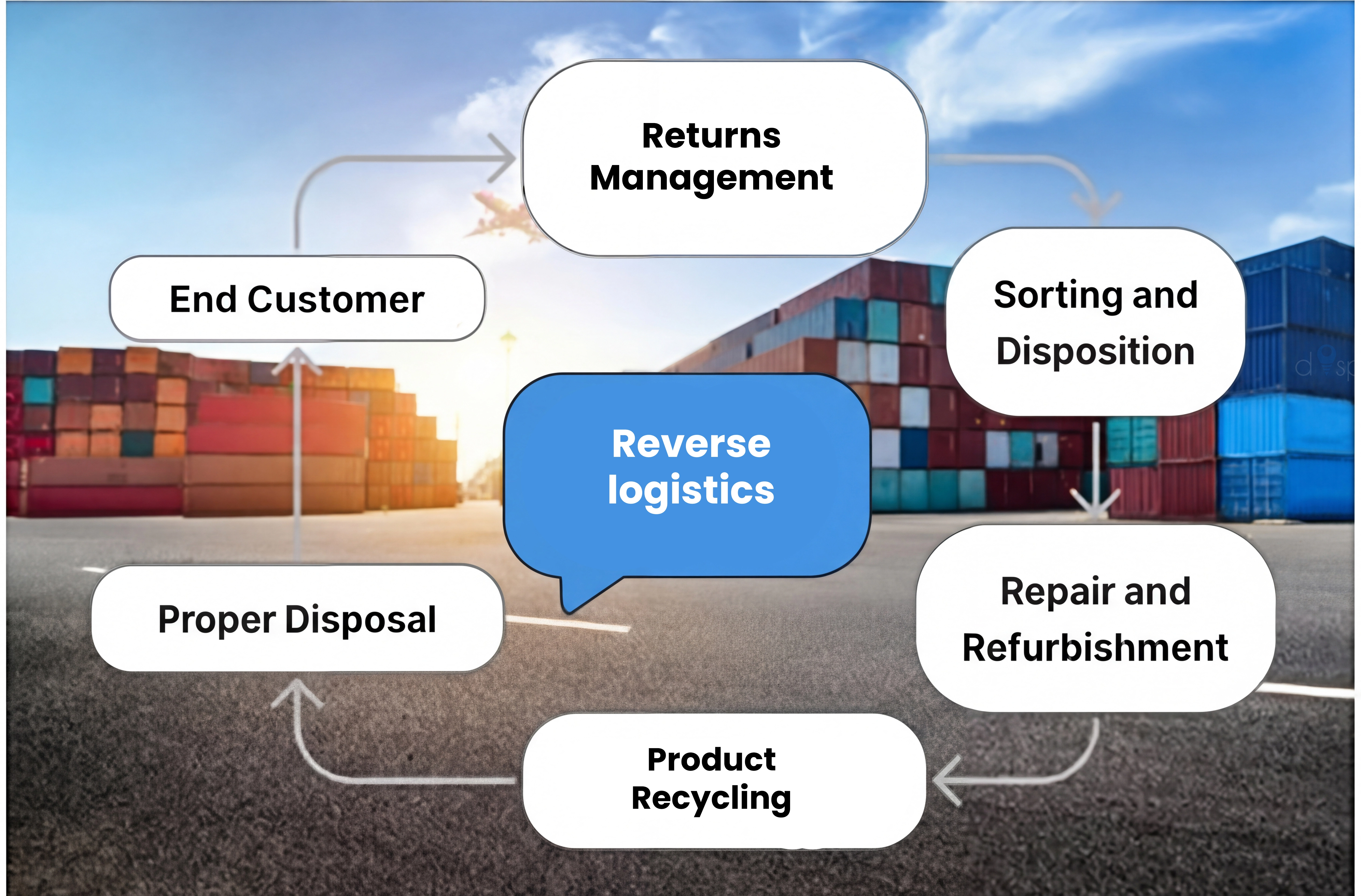
Courier Order Tracking for Returns (Reverse Pickup)
Return shipments also have tracking:
- Reverse pickup scheduled
- Reverse pickup done
- Returned to seller
- Returned to warehouse
Reverse logistics forms a crucial part of modern eCommerce.
Tracking Through Different Methods
Website Tracking
Enter tracking ID on the courier website.
Mobile App Tracking
Most major courier companies have apps with live updates.
SMS Tracking
Send tracking ID to SMS shortcode.
WhatsApp Tracking
Some couriers offer chatbot-based tracking.
Email Alerts
Get updates directly in your inbox.
API Tracking
Used by sellers to integrate tracking into websites.
Top Courier Tracking Websites in India
Customers often use:
- AfterShip
- Shipway
- Parcel Monitor
- 17Track
- TrackChecker
- CourierTracking.in
These platforms support multi-courier tracking in one place.
Common Problems in Courier Order Tracking
Wrong tracking number
Wrong digit(s) entered by customer.
Tracking ID not activated
When the seller creates a parcel shipment but the parcel has yet to be handed over.
Tracking stuck for days
An indicated parcel may be stuck at a hub or transit point.
Duplicate tracking numbers
Uncommon; however, can occur due to a technical malfunction within the system.
Parcel lost
If no updates on a parcel for 7–10 days, the parcel may be lost.
Tips for Smooth Courier Order Tracking
- Always check the tracking number twice.
- Ensure that your SMS and email notifications are always on.
- Use your carriers’ apps for faster notifications.
- The most accurate tracking is usually during regular business hours.
- If your shipment shows up as a stuck status, contact your courier as soon as possible.
- Search for additional tracking information using third-party tracking sites.
- Make sure the sender clearly writes the destination address to avoid any delivery failures.
The Future of Courier Order Tracking
New and emerging technologies that make it possible for accurate real-time tracking of items.
Artificial Intelligence
Artificial Intelligence for ETA, delivery delays, expected delivery times.
Drones
Drones allow real-time tracking to monitor delivery of parcels at local level.
Blockchain Tracking
Blockchain technology enables tracking parcels along with a tamper-proof record.
Real-time Driver Tracking
Real-time driver tracking allows customers to view where their delivery partner is located via a map.
Smart Parcel Lockers
Smart parcel lockers will send out automated notifications when parcels are added to or taken out of the locker.
Conclusion
Tracking orders is now mandatory to ensure logistical transparency for carriers, customers, and the entire supply chain. Couriers are using technology to track packages through GPS, barcodes, stakeholder managed inventory, and IoT technology, but courier tracking is not going to eliminate delivery failures as they are still reliant upon other factors which cause delivery failures including lack of receiver availability, incorrect address entered, etc.
Whether an individual customer tracking their order or a business managing their delivery operations, understanding the overall tracking process will enable individuals to make better decisions in the future. The most current technological advances are improving courier tracking capabilities and consequently provide greater convenience and accuracy in the logistics industry.
FAQs
Que: How can I track my courier order?
Ans: You can track your courier order by entering the tracking ID or AWB number on the courier company’s official website, mobile app, SMS tracking service, WhatsApp chatbot, or through third-party tracking platforms.
Que: Why is my courier order tracking not updating?
Ans: Tracking may not update due to reasons like delayed scanning, technical issues, high shipment load, network delays, bad weather, or the parcel not yet reaching the next hub. Usually, it updates within 24–48 hours.
Que: What does “in transit” mean in courier tracking?
Ans: “In transit” means your parcel is moving between courier hubs, sorting centers, cities, or transport vehicles. It indicates the shipment is on its way to the final destination.
Que: What should I do if my courier order shows ‘delivery attempted’?
Ans: If you see “delivery attempted,” it means the courier tried to deliver but couldn’t. You should contact customer support to reschedule delivery or correct any issues like address or availability.
Que: Can I track international courier orders the same way as domestic orders?
Ans: Yes, international courier orders can also be tracked using the tracking ID. However, updates may take longer due to customs checks, airline transit, and international logistics processes.